


The Remains of the Berghof
- eleazarmajors
- Apr 4, 2025
- 2 min read
Updated: Apr 5, 2025

Today, I wish to share an extraordinary narrative, pieced together through tangible remnants of one of the most critical chapters in modern history: the remains of the Berghof, Adolf Hitler's infamous alpine retreat.
Berchtesgaden, the picturesque Bavarian town nestled at the base of the Obersalzberg mountain, was the stage for events that reshaped the course of history. On April 25, 1945, under the relentless attack of 318 Avro Lancaster bombers from the Royal Air Force, the Berghof was utterly destroyed. Its annihilation, both symbolic and devastating, left behind only a heap of ashes and rubble. Yet, what seemed forever lost has not been entirely erased.
Johannes Weber, a humble carpenter born and raised in the area, witnessed the unfolding drama firsthand. A silent observer of those final, turbulent days of war, Weber saw the arrival of the U.S. Army's 3rd Infantry Division and the French 2nd Armored Division, which reached Berchtesgaden on May 4, 1945. By May 6, the Berghof had definitively fallen into the hands of the French Groupement Tactique Vézinet. The destruction was absolute, and the ruins stood as a silent warning.
Moved by historical curiosity and a profound sense of duty, Johannes ventured into the rubble. What he found were not trophies nor celebratory relics, but fragments that told a story: charred walls, concrete twisted by explosions, wooden beams scorched by fire, and even mangled metal from vehicles destroyed on the premises. Patiently and meticulously, Johannes collected these remnants, forming an extraordinary archive of 123 artifacts.
For decades, the Weber family carefully safeguarded these fragments as silent witnesses to history. They were not symbols of glory but tools of reflection, a tangible reminder of a period that must never be forgotten. Over time, however, Johannes’s descendants realized that these objects could take on even greater meaning in the hands of someone who could study and contextualize them appropriately.

Today, this collection has passed into my care. As a scholar and custodian of historical memory, I regard these fragments as far more than mere material remnants. They embody lessons, an opportunity to understand the fragility of power and the importance of remembrance. Each piece has been meticulously analyzed and certified, revealing unique details about their origin and the context in which they were created, destroyed, and ultimately recovered.


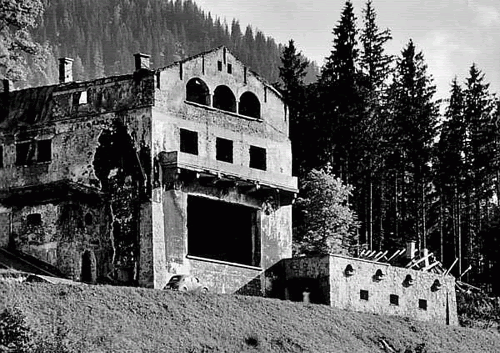
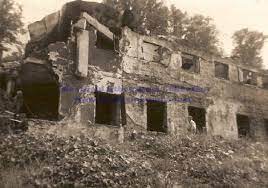
The collection, now known as "The Fragments of the Berghof," encompasses a wide array of materials, each with its own unique story. Charred concrete, scorched wood, twisted vehicle metal, and other metallic fragments have all undergone rigorous scientific analysis to authenticate their provenance. Investigations have revealed chemical residues consistent with the explosives used during the RAF bombings, while material dating confirms their historical period from 1935 to 1945.
Each fragment carries profound symbolic weight, and my commitment is to preserve it not as a curiosity but as a material document of what was. A memory to be passed on, not glorified.
Doktor Lazarus
Historian and Researcher
Custodian of Historical Memory

Comments